
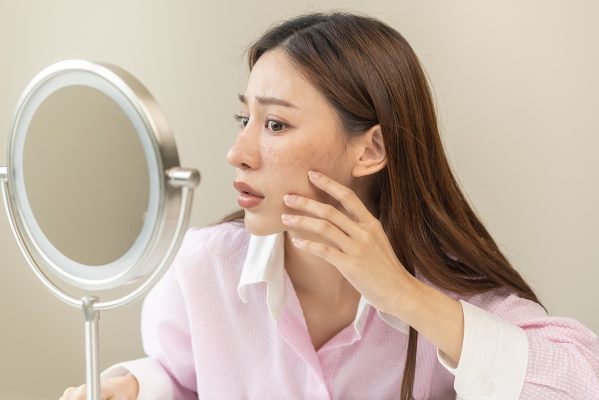
It is common to notice a new dark spot on your face or body and assume it is simply sun damage or a sign of ageing, especially after a hot summer. Sometimes, that is exactly what it is.
However, new or changing pigmentation can have several causes, and it is not always possible to tell what is behind it just by looking in the mirror.
So, when should you see a skin specialist about a new dark spot? If a dark spot is new, changing, unusual, persistent or worrying you, it is worth getting it professionally assessed.
What causes new dark spots?
Dark spots, also called hyperpigmentation, occur when areas of skin produce more melanin than usual. There are several possible reasons this can happen.
Common causes include:
- Sun exposure: UV radiation can trigger excess melanin production, leading to sun spots and uneven pigmentation.
- Hormonal changes: Conditions such as melasma can cause darker patches, particularly across the cheeks, forehead and upper lip.
- Post-inflammatory hyperpigmentation: Acne, skin irritation, insect bites and injuries can leave darker marks behind after the original problem has healed.
- Ageing: Years of cumulative sun exposure can cause pigmentation to become more noticeable over time.
- Skin treatments: Some procedures or products can cause temporary inflammation and pigmentation, particularly if the skin is not adequately protected from the sun.
A skin clinic that specialises in hyperpigmentation can help determine whether a dark spot looks consistent with pigmentation or whether it needs further investigation.
When is a dark skin spot worth checking?
Not every new freckle or sun spot requires treatment. However, there are certain situations where professional advice is sensible.
The spot is new and you do not know why
If you have suddenly developed a dark mark without an obvious explanation, arranging a professional assessment can provide reassurance and help identify the likely cause.
This is particularly relevant if you have noticed several new areas of pigmentation or your skin has changed noticeably following increased sun exposure.
It is changing
A spot that changes in size, shape, colour or appearance should not simply be assumed to be pigmentation. You should also pay attention to symptoms such as bleeding, crusting, persistent itching or a sore that does not heal.
These changes do not necessarily mean something serious is happening, but they should be assessed by an appropriate medical professional.
It looks different from your other spots
If you have several freckles, moles or areas of pigmentation but one looks noticeably different from the others, it is worth having it checked.
Aesthetic skin clinics can advise on cosmetic pigmentation, but a suspicious or potentially concerning lesion should be assessed by a suitably qualified medical professional.
Could it be sun damage?
Summer sun exposure can make pigmentation considerably more noticeable. You may find that freckles become darker or previously subtle sun spots become easier to see after spending more time outdoors.
Sun-induced pigmentation is particularly common on areas that receive regular exposure, including the:
- Face
- Neck
- Chest
- Hands
- Shoulders
However, not every dark spot is simply sun damage. This is one reason why professional assessment is useful, especially when a mark is new or looks unusual.
What about acne marks?
If you have experienced acne, a new dark mark may be post-inflammatory hyperpigmentation rather than a permanent scar.
This type of pigmentation can occur after spots become inflamed and may be more noticeable following breakouts. It can gradually fade, although the process can take time.
A skin specialist can help distinguish between active acne, pigmentation and acne scarring and recommend treatments according to your skin’s needs.
Can a skin specialist treat dark spots?
Once the cause of pigmentation has been established, there may be several treatment options available.
The most appropriate approach depends on factors such as your skin type, the location and depth of the pigmentation, how long you have had it and whether your skin is sensitive or prone to inflammation.
Depending on the diagnosis, a clinic may recommend options such as advanced facials, targeted skincare, laser treatments or Dermalux LED phototherapy.
When should you seek medical advice?
If a new dark spot is rapidly changing, bleeding, crusting, painful, persistently itchy, irregular or otherwise concerning, arrange an assessment with your GP or an appropriately qualified healthcare professional rather than assuming it is cosmetic pigmentation.
A skin clinic can be a useful place to discuss established concerns such as hyperpigmentation, acne marks and uneven skin tone, but potentially suspicious lesions should always be medically assessed.