After the exceptionally hot and sunny summer this year, you might have noticed some changes in your skin… a duller complexion, uneven skin tone, dark spots, dehydration or areas of redness that were not as defined before.
So, what is the best treatment for dull, uneven skin after summer? There is no single treatment that suits everyone. The right option depends on what is causing the change in your skin.
A professional skin consultation can help identify whether you are mainly dealing with dehydration, pigmentation, congestion, inflammation or a combination of concerns.
Why does skin look dull after summer?
Summer can put extra demands on your skin. Increased sun exposure can contribute to pigmentation and uneven skin tone, while heat and sweating may contribute to congestion and breakouts.
Swimming in chlorinated or salty water, travelling, changes to your skincare routine and spending more time outdoors can also leave the skin feeling dry or looking tired.
One of the most noticeable changes is often uneven pigmentation. UV exposure stimulates melanin production, which can make existing freckles and dark spots more prominent.
The result can be skin that looks less bright and more uneven, even if you have not experienced a specific skin problem.
Could a Hydrafacial treatment help?
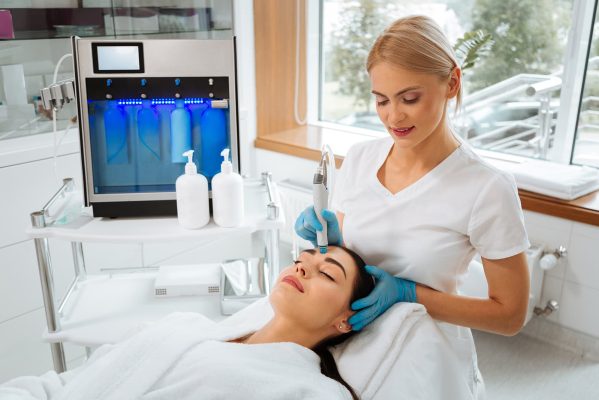
If your main concern is dullness, congestion or dehydrated-looking skin, an advanced facial may be a good starting point. Professional clinic treatments such as a HydraFacial can be tailored to your individual skin concerns rather than simply providing a generic treatment.
A HydraFacial may be particularly useful if your skin feels rough, congested or lacklustre after the summer months. However, if pigmentation or persistent redness is your main concern, you may need a more targeted approach.
What about hyperpigmentation?
Dark spots and uneven pigmentation are common after periods of increased sun exposure. If your complexion has developed areas of darker pigmentation, the first step is understanding what type of pigmentation you have.
Sun-induced pigmentation, post-inflammatory hyperpigmentation and conditions such as melasma can look similar but may require different approaches.
Professional skin treatments such HydraFacials or LED Phototherapy may be considered depending on the cause and your skin type.
It is also important to use daily SPF. Treating pigmentation while continuing to expose your skin to UV radiation can make it much harder to maintain an even-looking complexion.
What if your skin is red as well as dull?
Uneven skin does not always mean uneven pigmentation. Some people notice increased redness or sensitivity following periods of heat and sun exposure.
If your skin is frequently flushed, feels hot or irritated, or you have persistent facial redness, it is important to establish the underlying cause.
For example, people with rosacea-prone skin may find that heat and sunlight trigger or worsen their symptoms. In this situation, aggressive exfoliation or unsuitable treatments could potentially make the skin more irritated.
A professional assessment can help determine whether your priority should be calming the skin before addressing other concerns.
Should you have a skin treatment immediately after summer?
Not necessarily. If your skin has been exposed to significant amounts of sun, it may be better to allow it to settle before undergoing certain treatments. Some procedures may also require you to avoid recent tanning or increased UV exposure.
This is why a consultation is important. Rather than choosing a treatment based solely on the appearance of your skin, a practitioner can consider your skin condition, recent sun exposure and treatment history.
How can you maintain a brighter complexion?
Professional treatments work best alongside a consistent home skincare routine.
After summer, focus on:
- Applying broad-spectrum SPF every day
- Keeping the skin adequately moisturised
- Avoiding excessive exfoliation
- Using products appropriate for your skin type
- Treating active acne rather than picking spots
- Following your practitioner’s aftercare advice
Consistency is generally more useful than constantly changing products in search of an instant result.
What is the best way to rescue post-summer skin stress?
The best treatment for patchy post-summer skin depends on why your skin looks uneven in the first place.
An advanced facial may be appropriate for dullness and congestion, while pigmentation may require a more targeted treatment programme. Dermalux LED phototherapy can also form part of a plan for certain inflammatory or acne-related concerns.
If you are unsure what your skin needs, a professional consultation is the best place to start. Rather than treating the symptom alone, you can identify the underlying concern and choose a treatment plan designed around your skin.