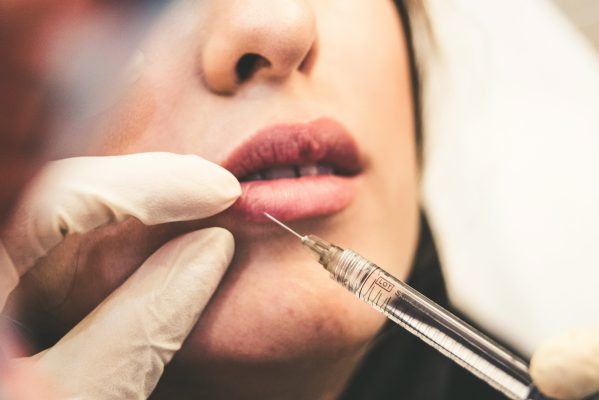
Dermal fillers at our Windsor clinic are one of the most popular non-surgical aesthetic treatments, but they’re also one of the most misunderstood.
Two of the most common questions we get are: “How long do dermal fillers last?” and “can they be reversed if I don’t like the results?”.
Understanding how fillers work, how long they remain effective, and what options exist if adjustments are needed can help you make a confident, informed decision.
What are dermal fillers made of?
Most modern dermal fillers used in reputable UK clinics are made from hyaluronic acid (HA). Hyaluronic acid is a substance naturally found in the body, particularly in the skin, joints, and eyes, where it helps retain moisture and elasticity.
Because HA is biocompatible, it is gradually broken down by the body over time. This is why dermal fillers are not permanent and why they are widely regarded as a safe, flexible treatment when administered by trained professionals.
How long do dermal fillers typically last?
The longevity of dermal fillers varies depending on several factors, including the type of filler used, the treatment area, and individual metabolism.
On average:
- Lip fillers last around six to 12 months
- Cheek fillers can last 12–18 months
- Jawline and chin fillers often last 12–24 months
- Nasolabial folds and marionette lines typically last nine to 15 months
Areas of the face that move more, such as the lips, tend to break down filler faster, while areas with less movement, like the cheeks or jawline, retain results for longer.
What factors affect how long fillers last?
Several personal and lifestyle factors influence filler longevity.
These include:
- Metabolism: People with faster metabolisms may break down filler more quickly
- Facial movement: High-movement areas reduce duration
- Product choice: Different fillers are designed for different depths and structures
- Volume used: Subtle enhancements may require more frequent top-ups
- Aftercare: Following post-treatment advice supports optimal results
It’s also worth noting that repeat treatments often last longer over time, as the skin adapts and collagen support improves.
Do dermal fillers look worse as they wear off?
This is a common concern, but in reality, dermal fillers fade gradually and naturally. As the hyaluronic acid is broken down, the treated area slowly returns to its original appearance.
Well-placed fillers should not cause sagging or deflation when they wear off. In fact, some clients feel their skin still looks slightly improved due to ongoing hydration and collagen stimulation.
Are dermal fillers reversible?
Yes, hyaluronic acid fillers are reversible, which is one of their biggest advantages.
If a client is unhappy with the results, or if a medical concern arises, an enzyme called hyaluronidase can be used to safely dissolve the filler. This process can partially or fully reverse the treatment, sometimes within hours.
Reversibility offers peace of mind, especially for:
- First-time filler clients
- Those wanting very subtle enhancement
- Anyone concerned about overfilling
When would filler reversal be considered?
Filler dissolution is not common, but it may be recommended in certain situations, such as:
- Asymmetry or uneven results
- Excess swelling that doesn’t resolve
- Overfilled or unnatural appearance
- Rare complications requiring immediate action
A professional clinic will always assess carefully before dissolving fillers and discuss realistic outcomes with the client.
Is reversing fillers safe?
When performed by trained medical professionals, filler reversal using hyaluronidase is considered safe. As with any injectable treatment, there are risks, which is why choosing a medically-led clinic is essential.
An experienced practitioner will:
- Use conservative dosing
- Perform a thorough assessment
- Explain risks, benefits, and aftercare
- Prioritise safety over aesthetics
Should you top up fillers or let them dissolve?
This depends entirely on personal preference. Some clients prefer regular maintenance to keep results consistent, while others allow fillers to dissolve completely before deciding on future treatment.
A good clinic will never pressure clients into repeat treatments and will focus on long-term facial balance, not trends.
Are dermal fillers a flexible option?
Dermal fillers are not a permanent commitment. Their temporary nature, combined with reversibility, makes them a flexible option for facial rejuvenation and enhancement.
With the right practitioner, realistic expectations, and a personalised treatment plan, fillers can deliver natural-looking results that evolve with your face, not change it.
If you’re considering dermal fillers and want honest advice tailored to your features, a professional consultation can help you explore your options with confidence and clarity.