
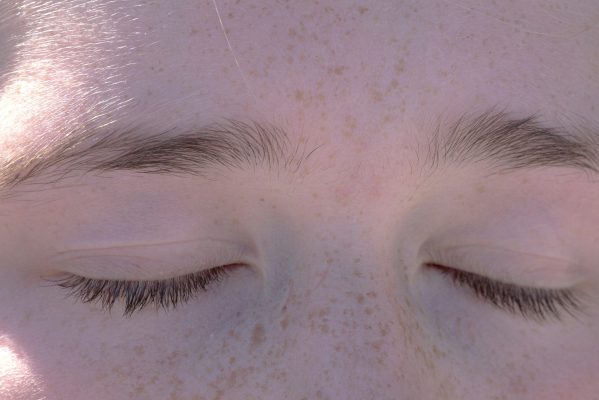
There are hopes that the UK will enjoy a long sizzling summer, despite the inevitable cool and wet May Bank Holiday weekend. While many of us welcome long sunny days, they can be a challenge for people who are prone to skin hyperpigmentation.
The sun can cause discoloured patches of skin to deepen and spread, especially in highly visible areas such as the face, decolletage and hands. Prevention is the best approach to managing pigmentation, so here we offer some useful tips.
However, certain factors that worsen pigmentation can be beyond our control, such as age, genetics, and fluctuating hormones. The good news is that hyperpigmentation can be treated at our clinic in Birmingham, either with laser treatments or medical grade facials. Please contact us if you’d like to know more.
Use sunscreen every day
You’ve probably already got the message by now, but it bears repeating: wear sunscreen every day if you will be outdoors for more than a few minutes, even if the weather is cool and cloudy. Use a broad spectrum SPF of 30 or higher, and apply it 30 minutes before you go out; again just before you go out; and after every two hours spent outdoors.
Some women assume that if they wear makeup with an SPF, this will provide enough protection. However, these products rarely have a high enough SPF rating to provide lasting protection, and most of them aren’t broad spectrum, meaning that they don’t block both UVA and UVB rays.
Furthermore, most people will usually be applying less than the optimum amount of makeup product for maximum protection, and blending it out around the forehead and jawline, leaving these areas with even weaker defences. It’s also easy to forget about areas such as the ears and the back of the neck.
Using an appropriate sunscreen, and applying it in the right quantities and at the right time not only protects your skin from cosmetic damage and premature ageing, but also reduces your risk of skin cancer.
Wear a hat and sunglasses
On very bright days, a wide brimmed hat and sunglasses with help to further protect your skin, particularly the delicate eye area. They will also help to keep you cooler and reduce the risk of sunstroke.
Avoid peak sun hours
Skin care experts recommend avoiding going outdoors in the peak hours between 11am and 3pm when the sun is strongest. This is not always practical advice, but if you are going on holiday to a region with a hot climate, it’s worth noting and seeking shade such as trees or an umbrella if you can.
Use products to support your skin
If your skin is in great condition, it will be less likely to develop pigmentation. Use gentle cleansers and moisturisers to protect your skin’s barrier, and avoid over-exfoliating in the summer. Look for products with ingredients such as vitamin B3 and vitamin C, which may help to regulate the damage caused by UV rays.
When it’s time to consider professional treatments
While a good skin care routine and preventative measures can lessen the signs of hyperpigmentation, effective and long-lasting results are best achieved through professional treatments. These include specialist laser treatments such as IPL (intense pulsed light), or microneedling.
A consultation with a cosmetic skincare specialist will help you to decide which treatment will be most suitable for you. It’s especially important to seek expert advice during the summer, because the increased sun exposure can make the skin more sensitive to the side effects of treatment.
After a laser treatment, it’s important to avoid direct sunlight, as your skin will be even more vulnerable to UV damage and this could aggravate pigmentation.
You must also sun beds and fake tanning products. Excess heat can also trigger inflammation and slow down the healing process, so avoid intensive exercise, saunas, and long hot baths or showers for at least 24/72 hours after your treatment. Use gentle skincare products with no harsh chemicals or active ingredients such as retinoid.