Preventative Botox has become one of the most talked-about trends in aesthetics over the past few years.
Once associated mainly with older patients looking to soften existing wrinkles, Botox clinic treatments are now increasingly used by people in their 20s and 30s who want to delay visible signs of ageing before they fully appear.
But is preventative Botox genuinely a worthwhile long-term approach to skin ageing, or is it simply overhyped marketing wrapped around a medical treatment?
The answer sits somewhere in the middle, and depends heavily on timing, technique, and realistic expectations.
What does ‘preventative Botox’ actually mean?
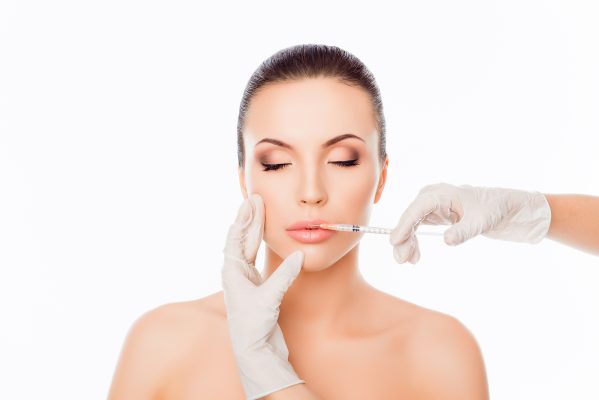
Preventative Botox refers to the use of small, carefully placed doses of botulinum toxin before deep static wrinkles have fully formed.
Instead of treating lines that are already visible at rest, the aim is to reduce repetitive muscle movement that eventually leads to those lines becoming permanent.
The most common treatment areas include:
- Forehead lines
- Frown lines (between the eyebrows)
- Crow’s feet around the eyes
The idea is simple: if a muscle moves less, the skin above it creases less over time.
However, this does not mean freezing the face or removing all expression. When done correctly, preventative Botox should look subtle, preserving natural movement while reducing excessive wrinkling.
Why are people starting Botox earlier?
There are several reasons preventative Botox has grown in popularity among younger adults.
One major factor is awareness. Social media has made people more conscious of early skin ageing and facial expression lines. Many individuals notice ‘movement lines’ in their late 20s and assume they need immediate correction.
Another reason is lifestyle. Increased screen time, stress, lack of sleep, and environmental exposure (particularly UV light) can accelerate visible ageing.
People are also more proactive about skincare and are looking for longer-term strategies rather than reactive treatments later in life.
Finally, aesthetics have shifted towards subtlety. The goal is no longer dramatic change, but maintaining smooth, healthy-looking skin for longer.
The case for preventative Botox
When used appropriately, preventative Botox does have clear benefits. The most important is delaying the formation of deep static lines. Once a wrinkle becomes etched into the skin and visible at rest, it becomes significantly harder to treat with injectables alone.
Preventing that breakdown early can reduce the need for more intensive treatments later. It can also support a more refreshed appearance. Many patients report looking less tired, less stressed, and more ‘well-rested’ without losing natural facial expression.
From a long-term perspective, preventative Botox may reduce overall treatment intensity over time. Instead of correcting deeper lines in the future, smaller maintenance doses may be sufficient.
The arguments against preventative Botox
Despite its benefits, preventative Botox is not necessary for everyone, and in some cases it is overused.
One common issue is over-treatment at a young age. Some patients begin too early or receive too much product, which can lead to a frozen or overly smooth appearance that looks unnatural for their age.
Another concern is expectation. Botox does not stop ageing. It slows the formation of dynamic wrinkles, but it does not affect skin texture, pigmentation, collagen loss, or volume changes.
There is also the psychological factor. In some cases, starting too early can create dependency or anxiety about normal facial movement, which may not be helpful for long-term confidence.
Finally, not all lines require treatment. Fine expression lines in your 20s and early 30s are often completely normal and can be managed with skincare, sun protection, and lifestyle adjustments alone.
Who is preventative Botox suitable for?
Preventative Botox is most suitable for individuals who already show early dynamic lines that appear with facial movement but are not yet visible at rest.
It may be appropriate if:
- You have strong facial expressions that create early creasing
- You are noticing lines becoming more defined over time
- You want to slow progression rather than correct existing deep wrinkles
- You prefer a subtle, long-term approach to skin ageing
It is less appropriate if:
- You have no visible expression lines at all
- You are seeking dramatic facial change
- You are trying to replace skincare or sun protection habits
A professional consultation is essential before starting treatment, as facial anatomy and ageing patterns vary significantly from person to person.
Preventative Botox is neither a miracle solution nor a marketing gimmick; it is a legitimate aesthetic strategy when used appropriately. For the right person, it can help slow the formation of deeper lines and maintain a smoother, more refreshed appearance over time.