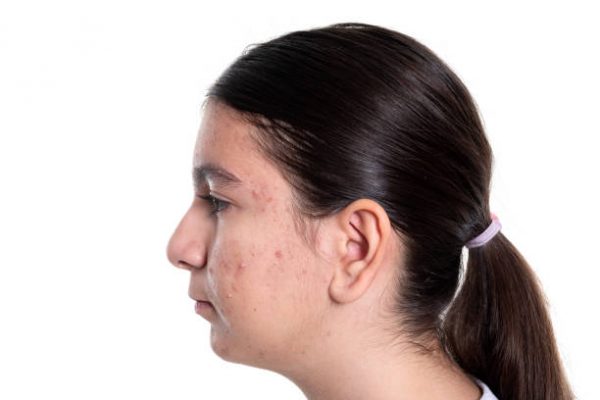
Acne is a common skin condition that affects people of all ages, although it is most often associated with teenagers. The spots and pimples themselves can cause pain and distress, but often when the breakouts clear they can leave scarring. This adds to the psychological damage that acne can do, leading to lower self confidence and worse quality of life.
Here’s a look at the different types of acne scars and the treatments that may help reduce or remove them.
There are three main types of acne scarring:
Ice pick scars: These are small deep pitted scars that look like puncture wounds. They extend into the deeper layers of the dermis, so they are the most challenging type of scars to treat. They are the result of severe acne cysts that cause tissue damage to the facial skin.
Rolling scars: These are bands of scar tissue that have a wave-like formation underneath the skin, giving it an uneven texture. They occur when fibrous bands of tissue develop between the skin and the subcutaneous tissue, disrupting the smooth surface of the skin.
Boxcar scars: These are broad, round or oval shaped depressions in the skin that give it a pitted appearance. They occur when the collagen is destroyed by acne cysts or other skin inflammation such as chicken pox.
How can acne scarring be treated?
Treatment for acne scarring is usually not available on the NHS because it is considered to be a cosmetic procedure. There are a range of treatments available at private skin clinics, and a therapist will be able to discuss which one will be most suitable for the type of acne scarring that you have.
Laser treatment
Laser treatment is suitable for mild to moderate acne scarring. It removes the top layer of skin and stimulates the growth of new collagen, leaving a smooth area of new skin cells.
Microneedling
This procedure involves using tiny needles to create micro injuries to the skin, stimulating collagen production and improving skin texture.
Subcision
Subcision is a minor surgical procedure that is used to treat more severe types of acne scarring. It involves inserting a needle beneath the scar tissue to remove the upper layer of skin that has formed under the scarred skin. This procedure helps new connective tissue to form, raising up the sunken area of skin to the same level as the rest of the skin.
Subcision is often used in combination with laser treatment or dermabrasion, which involves removing the top layer of the skin with an exfoliating brush.