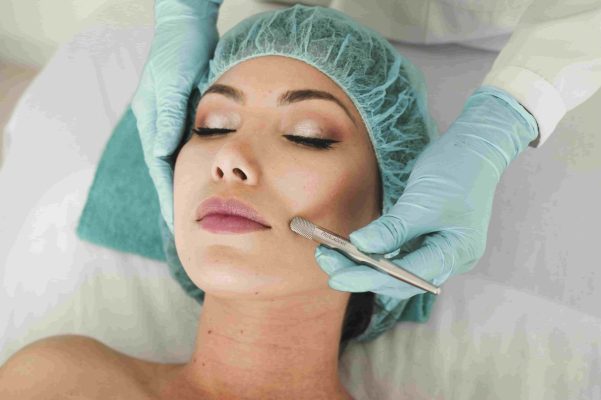
As we get older, it’s natural for our faces to change. Cheeks may appear less full, the skin around the eyes can look more hollow, and lines around the mouth may become more noticeable.
These changes are often associated with the gradual loss of facial volume, a normal part of the ageing process. But what actually causes facial volume loss, and is there anything you can do to maintain a fuller, more youthful-looking appearance?
Understanding how the face changes with age can help you make informed decisions about skincare and aesthetic treatments including dermal fillers.
What is facial volume loss?
Facial volume refers to the underlying fullness and contours that give the face its natural shape. It comes from several structures, including fat pads, muscle, bone and the skin itself.
When we’re younger, these structures work together to create smooth contours and well-defined facial features. As we age, changes to these underlying tissues can cause the face to lose some of its natural fullness.
Common signs of facial volume loss include:
- Flatter or less prominent cheeks
- Hollowing beneath the eyes
- More noticeable lines around the nose and mouth
- Reduced definition along the jawline
- Temples that appear more hollow
- A generally thinner or less full appearance
These changes happen gradually and vary considerably between individuals.
Why does facial volume decrease with age?
Several biological changes contribute to facial volume loss.
1. Changes in facial fat
One of the main causes is the gradual reduction and redistribution of facial fat. The face contains different fat compartments that provide cushioning and support beneath the skin. As we age, some of these fat pads shrink, while others may shift position.
This can create hollows in areas such as the cheeks and temples, while contributing to deeper folds around the nose and mouth.
2. Reduced collagen and elastin
Collagen and elastin are proteins that help keep skin firm, supple and resilient. From our mid-20s onwards, natural collagen production begins to decline. Elastin fibres also become less effective over time.
As the skin loses some of its structural support, it can become thinner, looser and less able to maintain its original contours. This can make underlying volume loss more noticeable. Sun exposure, smoking and other environmental factors can accelerate these changes.
3. Changes in facial bone structure
It’s not just the skin and soft tissues that change with age. The underlying facial skeleton also undergoes gradual changes. Certain areas of facial bone can lose density and undergo remodelling, affecting the support provided to surrounding tissues.
4. Hormonal changes
Hormones also influence skin health and facial appearance. For women, declining oestrogen levels during perimenopause and menopause can contribute to reduced collagen production and changes in skin quality.
Can lifestyle factors make facial volume loss worse?
Although ageing is unavoidable, certain lifestyle and environmental factors can influence how quickly visible changes develop.
These include:
- Sun exposure: UV radiation damages collagen and elastin, contributing to premature skin ageing.
- Smoking: Smoking can accelerate collagen breakdown and affect the skin’s ability to repair itself.
- Poor nutrition: A diet lacking essential nutrients can affect normal skin function and overall health.
- Significant weight changes: Losing body fat can also reduce fullness in the face.
- Chronic stress: Prolonged stress can affect general health and may contribute to changes in skin condition.
Maintaining a balanced diet, avoiding smoking and using daily sunscreen can help support healthier-looking skin as you age.
Can dermal fillers restore lost facial volume?
Dermal fillers are one option for addressing certain signs of facial volume loss. Most commonly made from hyaluronic acid, these injectable treatments are designed to add volume, improve contours and soften the appearance of certain lines and folds.
Depending on individual needs, dermal fillers may be used to:
- Restore fullness to the cheeks
- Improve the appearance of hollow temples
- Address certain areas of facial volume deficiency
- Enhance facial contours
- Soften the appearance of lines around the mouth
Treatment should only be considered following a thorough consultation with an appropriately qualified and experienced practitioner. Results typically last for between six months and two years.
Is facial volume loss preventable?
You cannot completely prevent the natural ageing process, but you can take steps to support your skin and maintain its appearance. Following a consistent skincare routine and maintaining a healthy lifestyle can all help protect skin quality.
If you’re noticing changes in facial fullness or definition, a professional aesthetic consultation can help you understand the available options. The aim should be to achieve balanced, natural-looking results that complement your features.