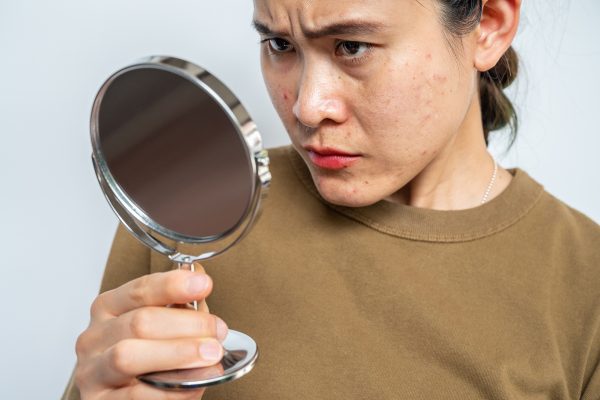
Acne is an incredibly common condition and most people will experience it in some form or other at some point in their lives, with cases ranging in severity from person to person.
Even the mildest forms of acne can cause problems outside of skincare, however, with a growing body of research suggesting that it can lead to depression, anxiety, low self-esteem, a sense of isolation and poor self-image.
The longer acne lasts, the more likely it is to have a significant impact on mental and emotional health and wellbeing, so seeking treatment as soon as possible can make a big difference to quality of life. Treatment can also prevent acne from getting worse and can help prevent scar formation, so seeking it early can be very beneficial.
There are different types of acne and each requires its own form of treatment, based on whether you’re suffering from cystic acne (characterised by deep pus-filled nodules), fungal acne that occurs in the hair follicles, hormonal acne that clogs pores through an overproduction of sebum or nodular acne, where pimples appear on the surface of the skin and as nodular lumps below it.
The most common places to find acne include the face, forehead, chest shoulders and upper back… and when it appears on the face it can be particularly problematic from a confidence perspective, because it’s very difficult to hide.
Where cheek acne is concerned, it’s not often that you’ll see blackheads or whiteheads appear. Instead, you’re more likely to suffer from cystic acne, nodules and pustules – which can be hard to treat and can be much more painful than other types of acne.
Typically, cheek acne is caused when oil becomes trapped within your pores, which then allows bacteria to grow and cause inflammation. Sebum buildup can be down to any number of factors, whether it’s using incorrect skincare products, your hormones or something you’re doing during the day that’s leading to a flare-up.
Sleeping on a dirty pillowcase, for example, can cause acne if you’re not careful, or perhaps you’re touching your face too much with unclean fingers. Using your phone and pressing it closely to your cheek could see bacteria start to break up, or you may be using a dirty makeup brush to apply your products.
If you are struggling with this kind of acne, a good first step to take is to review your daily habits and see if there’s anything you could change to help prevent bacteria from spreading. Once you’ve narrowed down the causes, you can start working out how best to treat the condition.
And don’t forget… if you do have any scars that you’d like to get rid of, you can always get in touch with us to find out more about acne scar treatments in our Birmingham clinic. Give us a call today to see how we can help.