
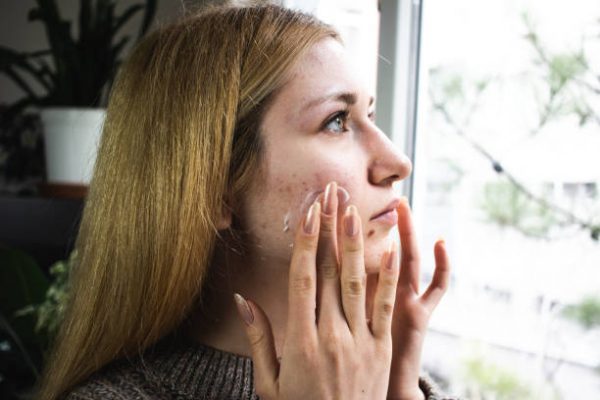
There are many aspects to skincare that stretch beyond the products we buy, the routines we maintain or the in-clinic treatments we use to make our skin’s natural beauty shine brightest.
One of these is challenging misconceptions, something that is exceptionally common with skincare because many conditions are caused by a complex combination of factors, including environmental, genetic and individual health circumstances.
A particular misconception that people become quite uncomfortably aware of is that whilst acne and spots are commonly associated with hotter, more humid weather, people are more likely to have more frequent and more intense breakouts during the colder winter months.
Several studies have found a positive correlation between acne conditions and the winter season, but the reasons why this is the case are somewhat complex and are not just related to the weather itself.
However, part of the reason can be explained by the tendency for winter weather to be far drier, something compounded by the regular use of heating systems that further affect the humidity of the indoor spaces we tend to stay in for longer periods to avoid the winter chill.
This leads to the increased production of sebum, the oily substance that keeps skin moist at an ideal level but as people with oily skin can attest, can lead to clogged pores, and this irritation and infection is what causes acne breakouts.
As well as this, there is a connection between exposure to ultraviolet light and the bacteria that exist on the surface of the skin, including those linked with acne breakouts. Less UV light and less vitamin D can cause breakouts even in people who typically have clear skin.
Beyond the purely environmental factors are reasons that link to how we live our lives in winter.
The winter months, with various celebrations, family gatherings and changes in work and financial circumstances can be exceptionally stressful and there is the potential for this to cause so-called “stress acne”, although a direct link has not been proven through studies.
The theory is that cortisol, the hormone produced during stress that is linked to flight-or-fight responses, produces testosterone and dihydrotestosterone (DHT), both of which are linked to increased breakouts.
Whilst the link between stress and acne has not been significantly explored, people who notice their acne gets worse during the winter might be dealing with increased stress.
Finally, there is the matter of a shift in people’s diets, something that is exceptionally common over the winter period.
People tend to eat more foods that have more sugar, dairy and carbohydrates in them, all of which, at least according to some theories, increase the levels of DHT and testosterone, which much like stress cause breakouts.
There is even a connection, given that many people change their diet in the lead-up to the end of the year, and then often a second time in January as people opt for New Year’s resolutions centred around healthy eating.
Alongside this is an increase in alcohol consumption, which affects hormone levels, immunity and causes dehydration, all of which can increase the chances of breakouts.