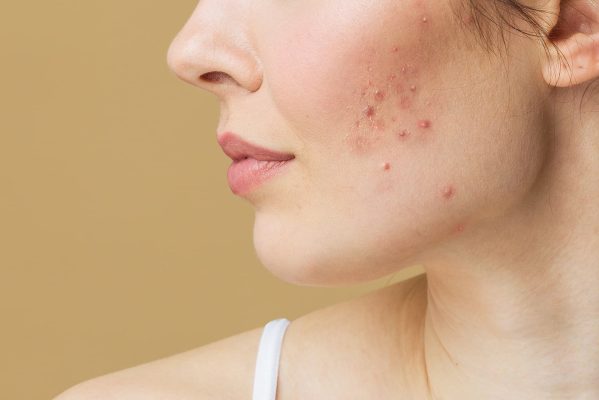
If you have had acne, you may notice that marks remain on your skin long after individual spots have disappeared. Some are red or brown, while others leave dents or uneven texture. Although these can look similar at first, acne marks and acne scars are not the same.
Understanding the difference is important because each concern may respond to different skincare approaches and clinical acne treatments. Identifying what is happening beneath the surface can help you make more informed decisions about your skin.
What is the difference between acne marks and acne scars?
Acne marks are usually changes in skin colour left behind after inflammation. They do not typically involve permanent changes to the skin’s structure and may gradually fade over time.
Acne scars, on the other hand, develop when inflammation damages the skin and affects collagen production during healing. This can leave permanent changes to the skin’s texture, including indentations or raised areas.
There are two common types of acne marks:
- Post-inflammatory erythema (PIE): Flat pink, red or purplish marks that remain after spots heal. These are caused by changes involving small blood vessels.
- Post-inflammatory hyperpigmentation (PIH): Flat brown, dark brown or greyish marks caused by increased pigment following inflammation. These marks can be more noticeable in darker skin tones.
Acne scars are generally classified as atrophic, meaning indented, or hypertrophic and keloid, meaning raised. The distinction matters because treatments designed to improve pigmentation may not significantly change indented scars.
Why do acne marks and scars develop?
Acne occurs when hair follicles become blocked with oil and dead skin cells, sometimes leading to inflammation. When a spot heals, the resulting skin changes depend on factors such as the severity of inflammation, skin type and individual healing response.
Marks can develop after even relatively mild breakouts. Picking, squeezing or scratching spots can increase inflammation and raise the risk of both lingering marks and scarring.
Deeper, more inflamed acne is more likely to cause permanent scarring. However, scars can develop in people with different acne severities, so it is worth seeking advice if breakouts regularly leave changes to your skin.
Sun exposure can also make some forms of post-inflammatory hyperpigmentation more noticeable or persistent.
How can you help acne marks fade?
The right approach depends on the type of mark, your skin’s sensitivity and whether you are still experiencing active acne.
- Use sunscreen daily. Broad-spectrum SPF 30 or higher helps protect your skin from UV damage and can reduce the risk of pigmentation becoming darker. This is particularly important when using ingredients that may increase irritation.
- Consider suitable skincare ingredients. Ingredients such as azelaic acid, niacinamide and retinoids may help improve uneven skin tone or support acne management.
Salicylic acid can help with clogged pores and some forms of active acne. However, no single ingredient is suitable for everyone, and introducing too many active products can cause irritation.
- Avoid picking spots. Allowing blemishes to heal naturally can help reduce additional inflammation and the likelihood of further marks or scars.
If marks persist, a professional skin assessment can help determine whether skincare alone is likely to be sufficient or whether a treatment-based approach may be appropriate.
Can acne scars be treated?
Unlike flat acne marks, established indented or raised scars are less likely to disappear with skincare alone. However, various treatments may improve their appearance.
Depending on the type and severity of scarring, options may include microneedling, chemical peels or certain laser treatments. Suitability varies according to skin tone, scar type and medical history, and some procedures carry a risk of further pigmentation or irritation.
A cosmetic skin clinic can assess your concerns and explain which options may be appropriate. Active acne and inflammation may need to be brought under control before scar treatments begin.
When should you seek professional advice?
If you are unsure whether you have acne marks or scars, a professional assessment can help clarify the difference. This is particularly useful if your skin has uneven texture, persistent pigmentation or recurring breakouts.
It is also worth seeking medical advice if acne is painful, severe or causing significant distress, as effective treatment can help reduce the risk of further scarring. Acne marks and acne scars may develop from the same underlying condition, but they affect the skin differently.
With the right approach, many flat marks can fade over time, while suitable professional treatments may help soften the appearance of established scars. Understanding which concern you are dealing with is the first step towards choosing an appropriate treatment plan.