If your skin feels tight after cleansing, your usual moisturiser suddenly stings, or your face looks red and is easily irritated, these can all be signs that your skin barrier is struggling.
The skin barrier plays an essential role in keeping moisture in and protecting the skin from external irritants. When its function is disrupted, skin can become dry, irritated and more reactive than usual.
For many people, these problems can be alleviated by simplifying their skincare routine and choosing appropriate professional skincare treatments.
What is the skin barrier?
The skin barrier is the outermost layer of the skin, known as the stratum corneum. It consists of skin cells held together by lipids, including ceramides, cholesterol and fatty acids.
Together, these form a protective layer that helps prevent excessive water loss while limiting the entry of irritants, allergens and harmful microorganisms. When this barrier functions properly, skin is better able to retain moisture and protect itself from environmental stressors.
However, excessive exfoliation, harsh skincare products and certain skin conditions can disrupt its function, leaving skin more vulnerable to dryness and irritation.
What are the signs of a damaged skin barrier?
A compromised skin barrier can affect how your skin looks and feels. Common signs include:
- Dryness and tightness: Your skin may feel uncomfortable after washing or throughout the day, even when you use moisturiser.
- Redness and irritation: Your complexion may look redder than usual or feel uncomfortable when exposed to certain products.
- Stinging or burning: Products you previously tolerated, including moisturisers, may suddenly cause a stinging sensation.
- Flaking and rough texture: Skin may become visibly flaky, rough or uneven as it loses moisture.
- Increased sensitivity: Fragranced products, exfoliating acids or changes in temperature may trigger reactions more easily.
- Dehydrated-looking skin: Fine lines may appear more noticeable when the skin lacks sufficient moisture.
These symptoms do not automatically mean your skin barrier is damaged. Conditions such as eczema, rosacea and contact dermatitis can cause similar problems.
What causes skin barrier damage?
Several factors can affect the skin barrier, and sometimes a combination of habits and environmental conditions is responsible.
- Over-exfoliation is a common culprit. Using exfoliating acids, scrubs or retinoids too frequently can irritate the skin, particularly when several active ingredients are combined.
- Harsh cleansing can also remove some of the lipids that help maintain the barrier. Cleansers that leave your skin feeling squeaky clean or tight may be too stripping for your skin type.
- Weather changes can contribute to dryness and sensitivity. In autumn and winter, colder outdoor air, wind and indoor central heating can increase moisture loss and make existing irritation more noticeable.
Other possible contributors include fragranced products, excessive washing, sun exposure and underlying inflammatory skin conditions.
How can you repair your skin barrier?
If your skin feels irritated, the priority is to reduce potential triggers and support its natural recovery process.
1. Simplify your skincare routine
Temporarily stop using products that may be contributing to irritation, particularly exfoliating acids, scrubs and retinoids. Avoid introducing several new products at once, as this makes it harder to identify potential triggers.
2. Choose a gentle cleanser
Use a mild, fragrance-free cleanser that removes dirt, sunscreen and makeup without leaving your skin feeling tight. Lukewarm water is preferable to very hot water, which can worsen dryness and irritation.
3. Use a barrier-supporting moisturiser
Moisturisers help reduce water loss and improve skin comfort. Look for formulations containing ingredients such as ceramides, glycerin or hyaluronic acid.
4. Protect your skin from the sun
UV exposure can contribute to skin damage and inflammation. Apply a broad-spectrum SPF 30 or higher sunscreen daily, even during autumn and winter, and follow the product’s instructions for reapplication.
Can a HydraFacial help with dehydrated or congested skin?
Professional skin treatments may form part of a wider skincare plan, depending on your skin’s condition and individual needs.
For clients concerned about dehydration, uneven texture or congested pores, a HydraFacial is one treatment option worth discussing with a qualified practitioner.
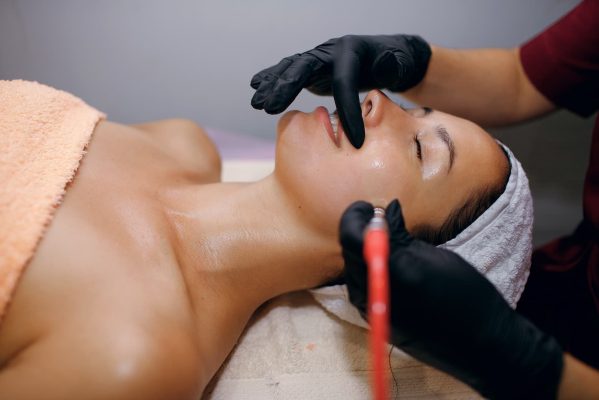
Hydrodermabrasion-based facials combine cleansing with gentle, carefully controlled exfoliation and intense hydration assisted by ultrasound technology. This helps the high-quality serum blend and antioxidants penetrate the deeper layers of skin.
If your skin has become unusually reactive or you are unsure which products or treatments are appropriate, a professional assessment can help you make informed choices and develop a skincare plan suited to your needs.