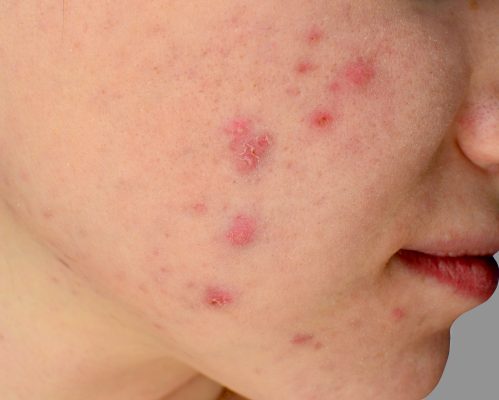
Anyone who struggles with acne breakouts has probably been told at some point to eat more fruits and vegetables and avoid greasy processed foods and sugar, but is there any scientific research to support this belief? There seems to be a lot of mixed evidence, and there is no one-size-fits-all explanation. Here’s a look at the link between diet and acne.
Factors that might make acne worse
High glycemic index foods
The general consensus seems to be that certain foods could make acne worse, but they are unlikely to be the sole trigger for breakouts. In particular, high glycemic index foods (GI) can spike insulin levels, which promotes the production of more sebum. This is the oily substance that leads to clogged pores and acne breakouts.
High GI foods such as white bread, chips, crisps, white pasta, cakes and pastries also cause more inflammation in the body, which can also stimulate excess sebum production. A few small scale studies show that acne patients who switch to a low GI diet report an improvement in acne, but so far there is not enough evidence to support a clear link.
Dairy products
Some small studies have found a link between cow’s milk and acne. This may be because dairy products contain hormones that could possibly trigger inflammation and lead to more severe acne, but currently there is not enough conclusive evidence to support this theory. Furthermore, the studies found no evidence that yoghurt or cheese made acne worse.
Ultra-processed foods
There has been a lot of attention given to ultra processed foods (UPFs) recently. These are foods with a high volume of additives, such as sugar, preservatives, and fats. In fact, some scientists regard them as edible products rather than food because they have so little real nutritional value.
Cutting back on these foods will benefit your overall health and energy levels, and may cause insulin spikes and inflammation that increases sebum product.
Foods that may promote clear healthy skin include probiotics, low GI foods such as whole grains, and zinc rich foods such as seeds and shellfish.
When it comes to the link between acne and diet, it’s best to follow the general guidelines about healthy eating, and try cutting out certain foods such as dairy produce, UPFs, and high GI foods for a controlled amount of time. Keep a record of your acne during this time to see if you notice any changes.
Other ways to treat acne
Acne can be difficult to clear up through diet alone. If you find that it is getting you down, consider booking a consultation with a professional skin therapist who will be able to advise you on a range of options to improve your skin. These might include facials designed to treat acne, or specialist laser skin treatments.