
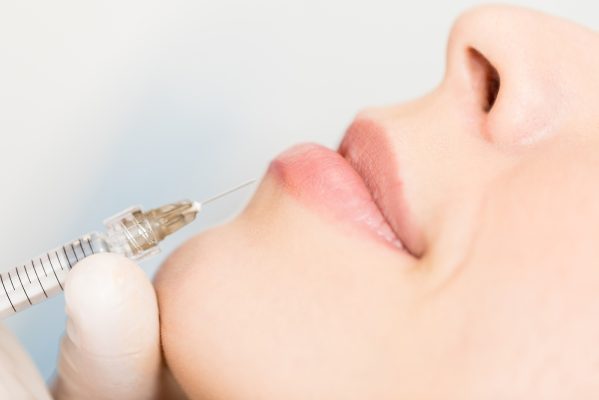
Dermal fillers are a quick and effective way to restore volume and smoothness to your face and define contours without resorting to invasive surgery. Most clients are very pleased with the results of their treatment, but naturally they want to know how long fillers will last.
The answer can be anything from months to years, depending on variables including the type of filler used, where it’s injected, your lifestyle, metabolism, and even your skincare routine. Here’s a look at how long different dermal fillers typically last, and what you can do to extend your results.
How do dermal fillers work?
Dermal fillers are injectable substances used to add volume and smooth out wrinkles or folds. The most common fillers are made with hyaluronic acid — a naturally occurring substance in your body that keeps skin plump and hydrated. Your aesthetician will deliver the filler as an injection just under the surface of your skin.
The treatment typically takes just half an hour with minimal downtime. The fillers can be applied to different parts of your face, depending on your goals. They are commonly used to plump up lips or cheeks, make features more symmetrical, or restore volume and smoothness to creased or sagging skin.
On average, lip fillers tend to last for six to nine months, and other areas can last for between nine to 18 months. However, there are various factors that will influence the longevity of your fillers.
What affects how long fillers will last?
Your metabolism
Everyone’s body processes hyaluronic acid differently. If you have a fast metabolism or are very physically active, your body may break down the filler more quickly.
Area of injection
Movement-heavy areas (like the lips and mouth) tend to break down filler faster than static areas (like the cheeks).
Type and thickness of filler
Thicker fillers, such as those containing poly-L-lactic acid or calcium hydroxylapatite, generally last the longest. They are most often used for cheek and jawline sculpting. Softer fillers, ideal for lips or under the eyes, typically wear off sooner.
Your skincare professional will be able to give you more in-depth information and advice about the different filler types, and which one is most suitable for your skin type, goals and expectations.
Dosage and depth of injection
The amount of filler used and how deeply it’s placed in the skin can influence how long it remains effective. A smaller amount closer to the surface may need refreshing sooner, while deeper placement can sometimes offer longer-lasting structure.
Your lifestyle
Sun exposure, smoking, stress, and alcohol consumption can all accelerate skin ageing and reduce the longevity of filler results.
Skincare and maintenance treatments
Using supportive skincare such as hyaluronic acid serums, SPF, and antioxidants can help to prolong the lifespan of your fillers, although you should seek advice from your provider and follow their aftercare instructions carefully.
Combining with treatments such as microneedling or laser facials can also help to enhance and prolong results, although again, seek professional advice. It will usually be necessary to space treatments a few weeks apart.
Quick tips for making your fillers last longer
- Hydrate well (especially for hyaluronic acid based fillers)
- Use SPF daily to protect skin and collagen
- Avoid excessive facial massage (unless advised post-treatment)
- Don’t overdo cardio workouts in the days immediately after treatment
- Book touch-up treatments before the filler fully fades: this can help “train” your skin to hold volume longer over time
What happens when filler wears off?
Once the filler has fully metabolised, your skin returns to its pre-treatment state (your skin won’t have stretched, creased or sagged any further as a result of the filler). However, if you’ve enjoyed the results, you might miss the subtle lift or smoothness and want a top-up.
Regular reviews (around every six to 12 months depending on the area) will help you to maintain a natural look and prevent the need for large corrections later.