At our skincare clinic in Birmingham, we offer a range of advanced facials and laser light therapies to address acne and rosacea. While these treatments are very effective at promoting smooth and even toned skin, the results can be supported by smart food choices. Here’s a look at why certain diets can be triggering, and what to eat instead.
The skin-gut connection
Both acne and rosacea have links to inflammation, and inflammation often begins in the gut. When your gut microbiome (the balance of good and bad bacteria in your digestive system) is out of whack, it can lead to increased systemic inflammation. This can show up in the condition of your skin.
A poorly balanced diet that’s high in sugar, refined carbs, and processed foods can promote inflammatory pathways in the body. This doesn’t just impact digestion or energy levels; it can also contribute to hormonal imbalances, excess oil production, and heightened skin sensitivity.
In contrast, an anti-inflammatory diet rich in antioxidants, fibre, and omega-3 fatty acids may help reduce the frequency and severity of acne and rosacea flare-ups.
Acne: foods that can make it worse
Acne is a complex condition driven by factors such as hormones, genetics, and bacteria. But diet can influence these factors in several ways.
High glycaemic index foods
Foods that cause rapid spikes in blood sugar (such as white bread, pastries, sugary cereals, and fizzy drinks) are associated with more frequent acne breakouts. These foods cause a rise in insulin levels, which may increase sebum production and androgen activity, leading to clogged pores and inflammation.
Dairy
There is growing evidence that milk, particularly skimmed milk, may be linked to acne. This is because it contains hormones and growth factors that could stimulate oil glands and increase the risk of blocked pores.
Interestingly, cheese and yogurt do not seem to have the same effect in most studies, suggesting it’s not just dairy fat but possibly the processing or hormone content in milk.
Fast food & highly processed meals
Convenience foods often contain unhealthy fats, preservatives, and high sodium content, all of which can disrupt the body’s natural balance and provoke inflammation. This spells bad news for acne-prone skin.
Rosacea: common food triggers
Rosacea is a chronic inflammatory skin condition characterised by redness, visible blood vessels, and sometimes small red bumps. It’s not caused by diet, but certain foods can trigger flare-ups, particularly in those with sensitive skin.
Spicy foods
Hot peppers, curries, and spicy sauces are well-known rosacea triggers. They can cause temporary blood vessel dilation (flushing), which leads to redness and discomfort.
Hot drinks
Hot tea and coffee are commonly reported to trigger rosacea flare-ups. It’s not just the caffeine: even herbal teas can cause issues simply because of the temperature. Try allowing drinks to cool slightly before sipping.
Alcohol
Particularly red wine, but also white wine and spirits. Alcohol causes blood vessels to dilate, which can intensify redness and facial flushing. Some people notice an immediate flare-up after drinking, while others find symptoms worsen the next day.
Histamine-rich foods
Certain foods like aged cheese, fermented products, smoked meats, and vinegar-based dressings can be high in histamine, which may provoke inflammation or sensitivity in those with rosacea.
Foods that can help
Fortunately, there are plenty of foods that can help to support calmer and healthier skin:
Omega-3 fatty acids
Found in oily fish (like salmon, sardines, and mackerel), chia seeds, and flaxseeds, omega-3s have natural anti-inflammatory properties. They can help calm redness and irritation while supporting overall skin health.
Antioxidant-rich fruits and vegetables
Berries, leafy greens, tomatoes, carrots, and peppers are packed with vitamins such as A, C, and E, which help protect skin cells from damage and reduce inflammation.
Probiotic foods
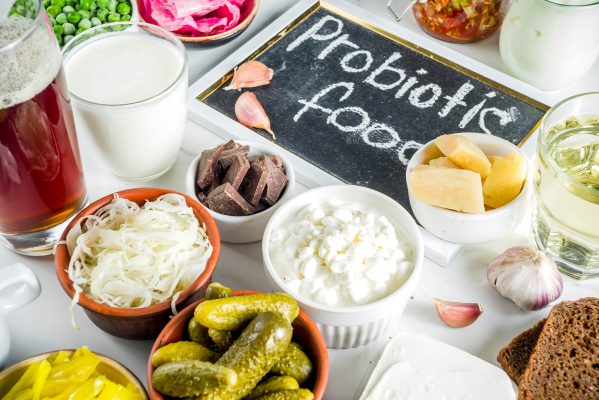
Yogurt, kefir, sauerkraut, and other fermented foods support gut health — which, as we’ve seen, plays a big role in inflammation and immune response.
Zinc and vitamin A
Zinc (found in seeds, nuts, and shellfish) and Vitamin A (in liver, sweet potatoes, and spinach) have both been linked to the easing of acne symptoms. If you do not enjoy any of these foods, consider taking supplements. However, always consult a professional beforehand, because it is possible to overdo it.
While diet is not the sole cause of acne or rosacea, it can significantly influence your skin’s condition. If you’re dealing with persistent breakouts or flare-ups, it’s worth tracking your food intake and speaking to a dermatologist or nutritionist.
When combined with cosmetic treatments such as facials or laser therapy, diet changes can help support clearer skin and boost your confidence.