Polycystic ovary syndrome (PCOS) is a hormonal disorder that’s estimated to affect about one in ten women in the UK. The exact causes are unknown, but it tends to run in families, and there’s no cure for the condition. For many women, the most devastating symptom of PCOS is loss of fertility, which is of course understandable.
However, the impact of other symptoms, particularly excessive body hair (hirsutism) and acne should not be underestimated. They may not cause excessive physical discomfort, but these symptoms are highly visible and challenging to manage. This can be mentally distressing, causing the person to feel anxious about their appearance.
The emotional toll of PCOS
Many people living with PSOS also experience higher levels of anxiety and depression, which may be linked to the stress of managing excessive body hair and acne. This can affect quality of life, for example it may put some women off joining a gym or using a public swimming pool, limiting their options for taking exercise.
As keeping fit and maintaining a healthy weight is one of the key strategies for managing PCOS as well as anxiety and depression, concerns about body image can create a vicious circle that can be difficult to break out of. Furthermore, poor self-image and low self-esteem can prevent women from seeking out the social and emotional support they need.
Here’s a look at how laser hair removal treatment at our Dudley clinic can help.
What is hirsutism?
Hirsutism means excessive hair growth. Women with PCOS have abnormally high levels of testosterone, which causes body hair to grow in prominent places such as the face, chest, and back, to a degree that you would more usually expect to see in males.
While this is nothing to be ashamed of and no one should feel any pressure to remove this hair, the majority of women feel more confident with hair-free skin in these areas.
The challenges of removing body hair at home
Women with average levels of body hair may use home treatments such as shaving or waxing the majority of the time, but for women with hirsutism, the frequency and extent of these methods can result in irritated skin and uncomfortable ingrown hairs.
Furthermore, the constant battle of removing unwanted body hair is time consuming and exhausting, especially when there are all the other challenges of PCOS to deal with.
The benefits of permanent laser hair removal
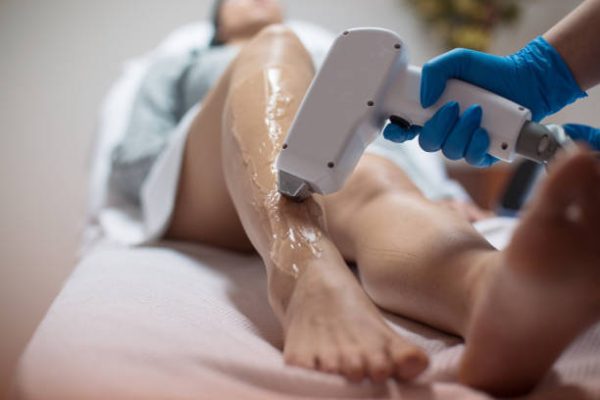
Laser hair removal uses highly focused light energy to target the hair follicles at the root, which destroys them and limits future hair growth. It is only possible to target hairs that are actively growing, so a course of six to eight treatments may be necessary to ensure that the hair is treated at all stages of the growth cycle.
After a course of treatment, some people have permanently hair-free skin. Others may experience some regrowth in time, but the hairs will typically be finer and sparser than previously. It’s possible to have top up treatments if necessary.
The long-lasting results eliminate the need for frequent shaving or waxing, which saves time and money, and also greatly reduces the stress and irritation on the skin and the risk of ingrown hairs.
Who is a suitable candidate for laser hair removal?
Some types of laser hair removal methods work best on people with dark hair, so check with your practitioner if this is the case. More advanced laser hair treatments may be suitable for people of all skin and hair types.